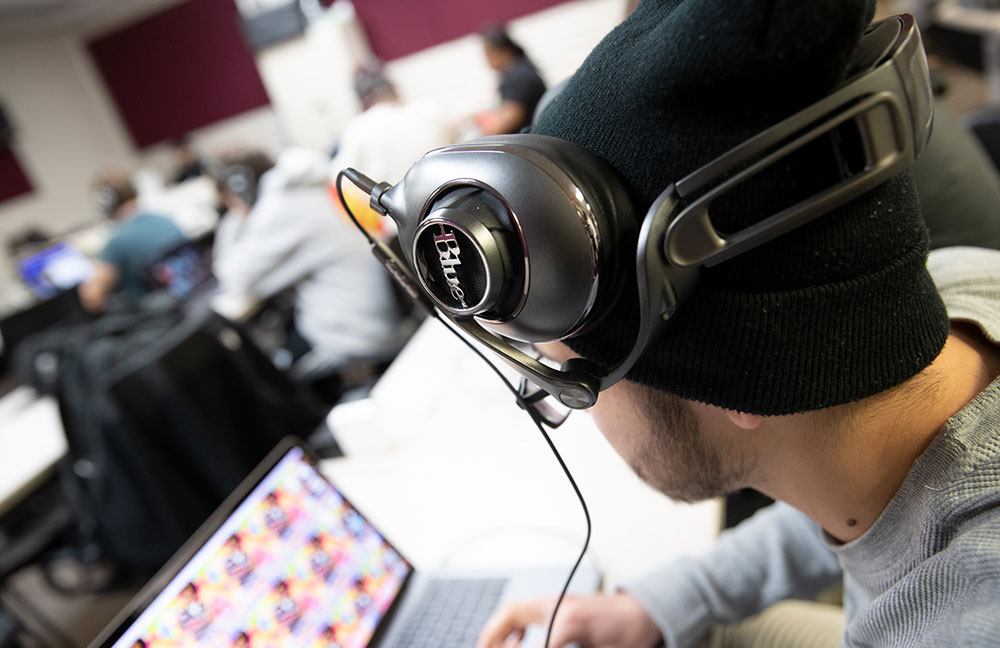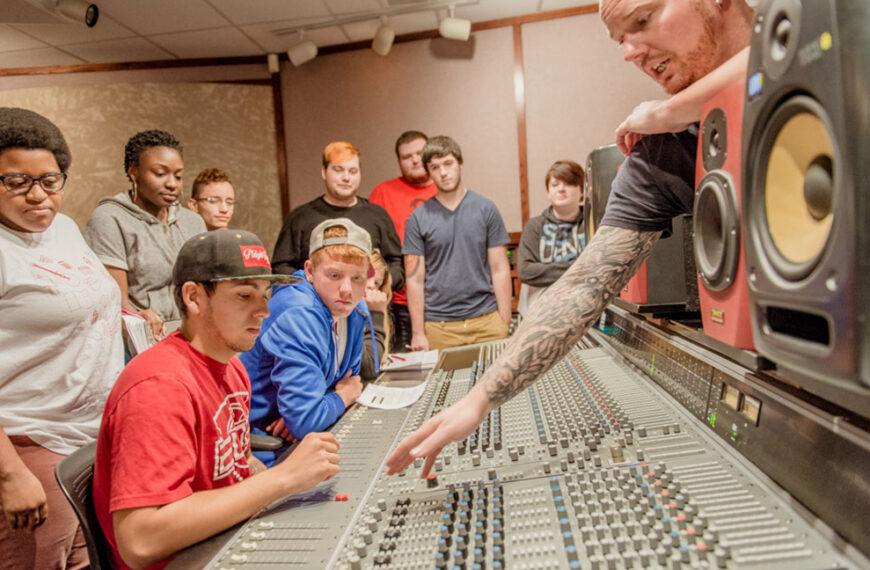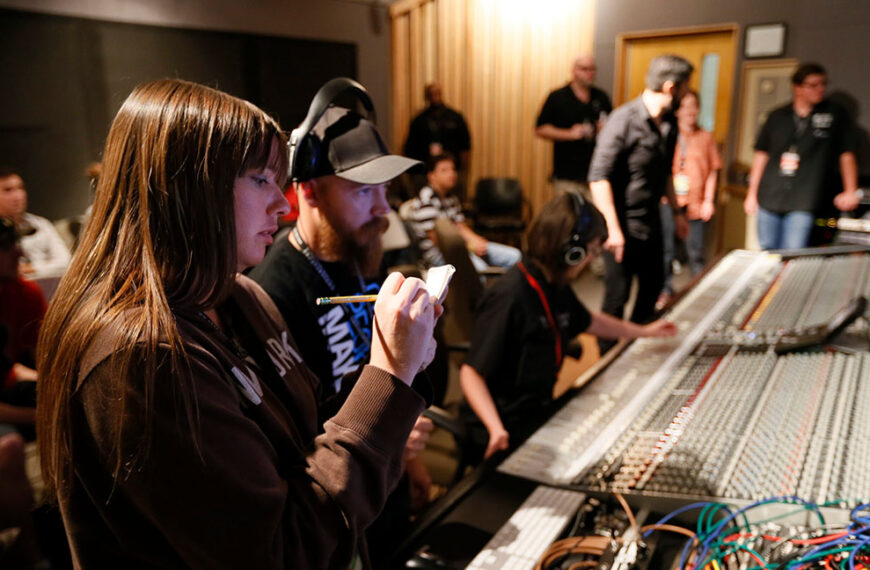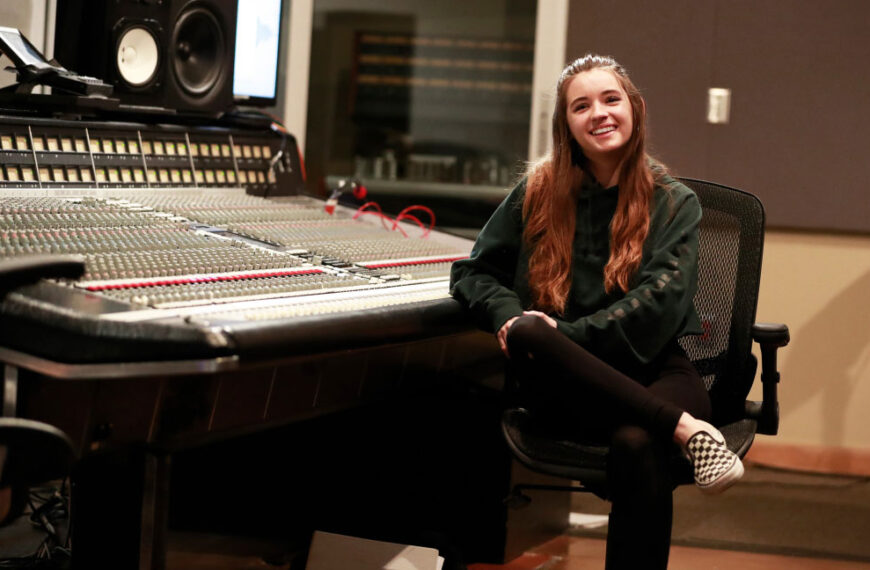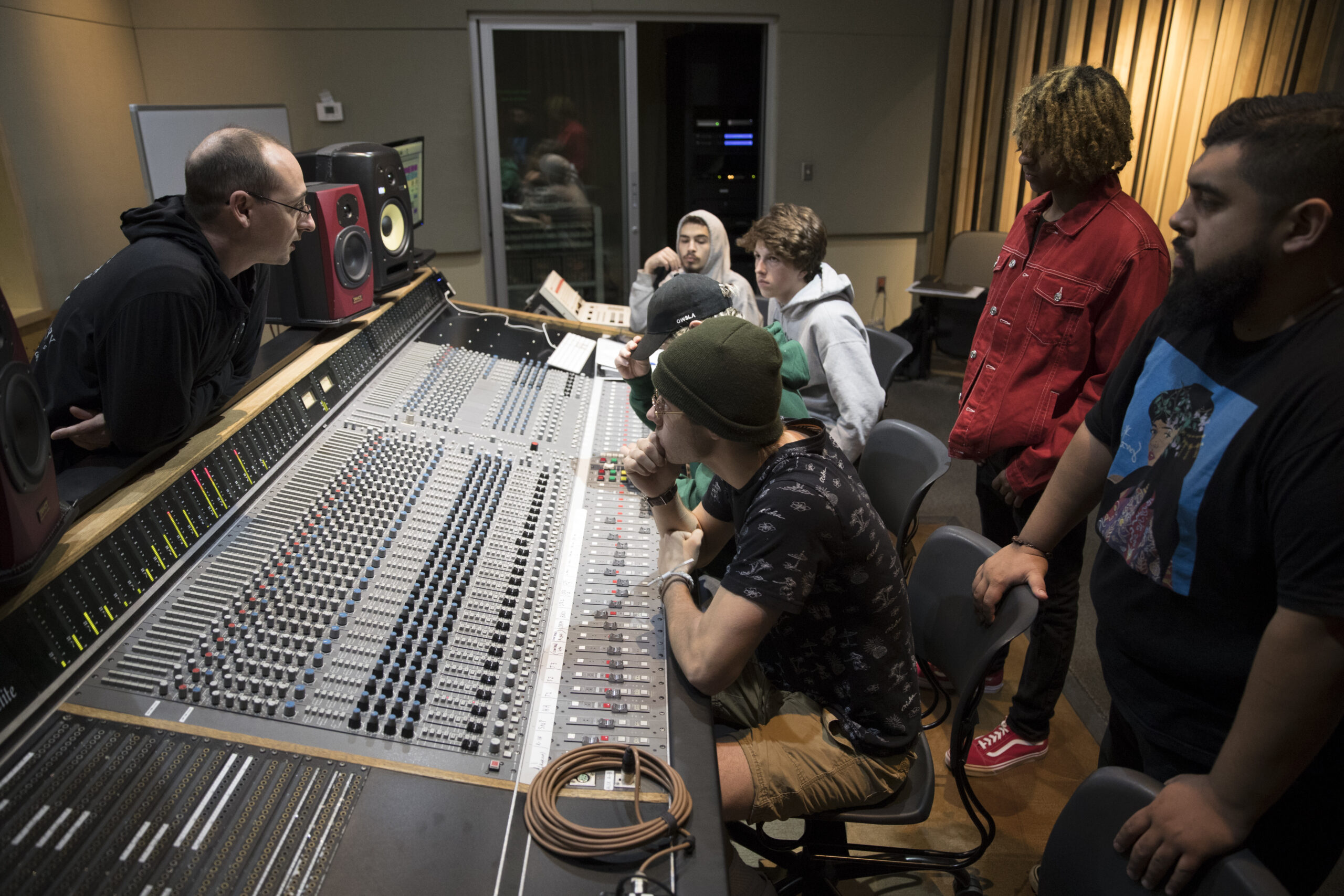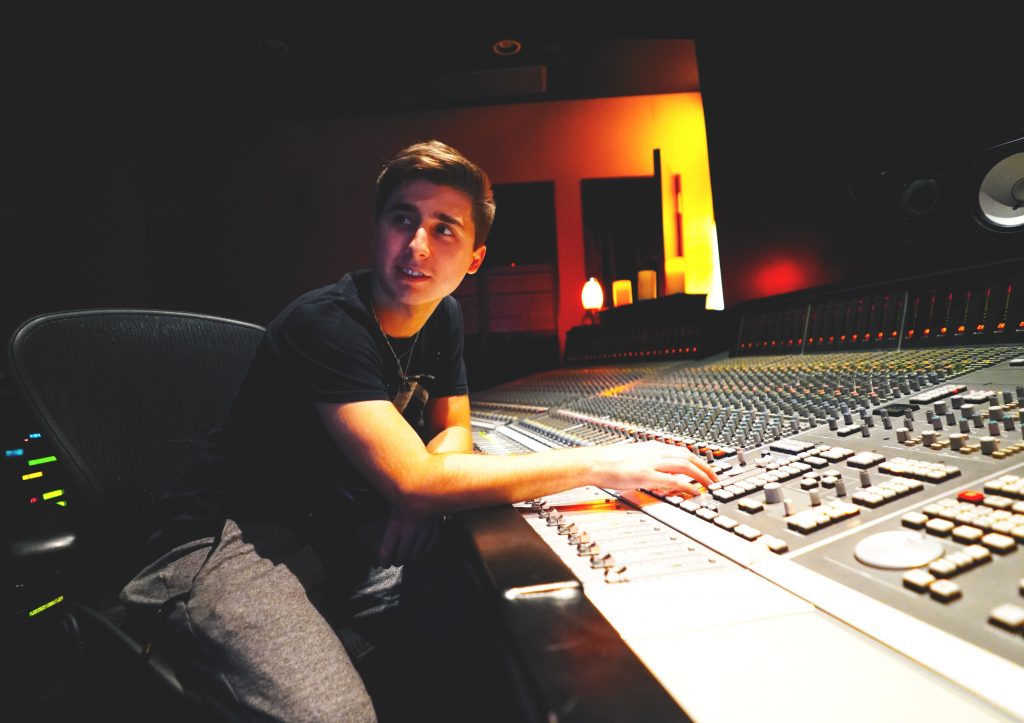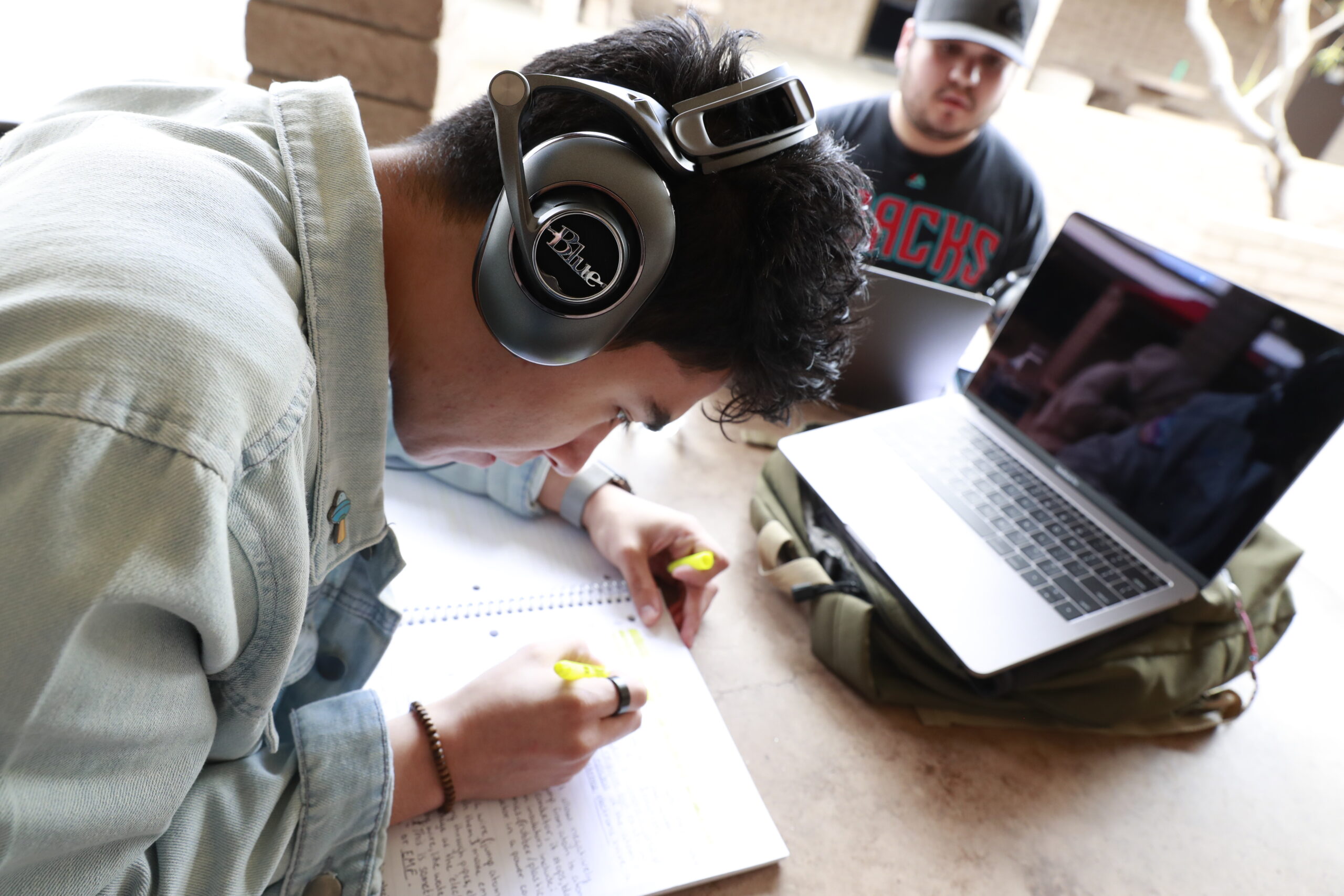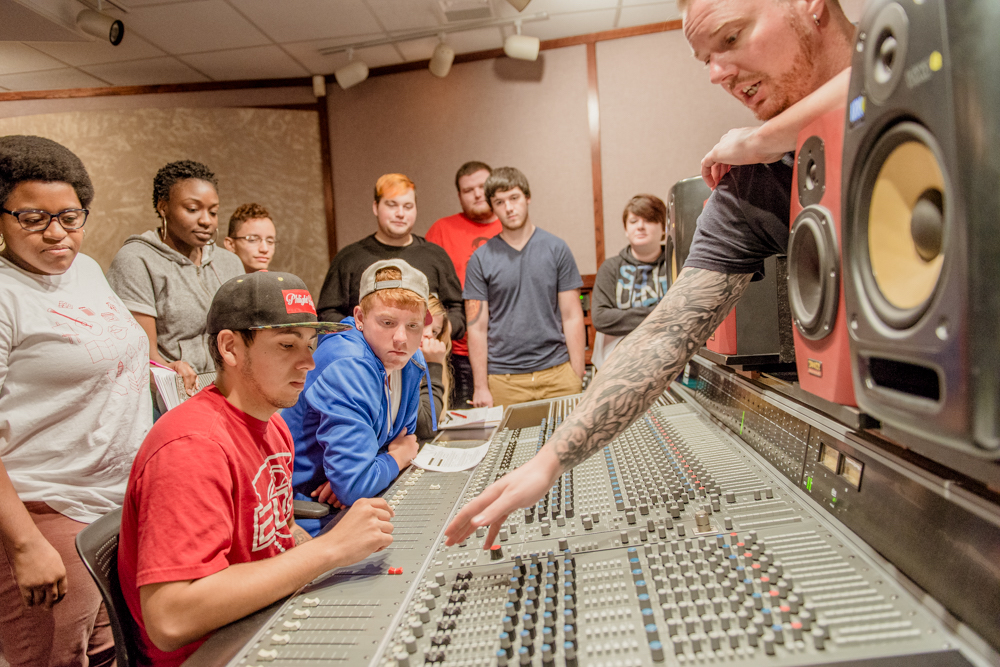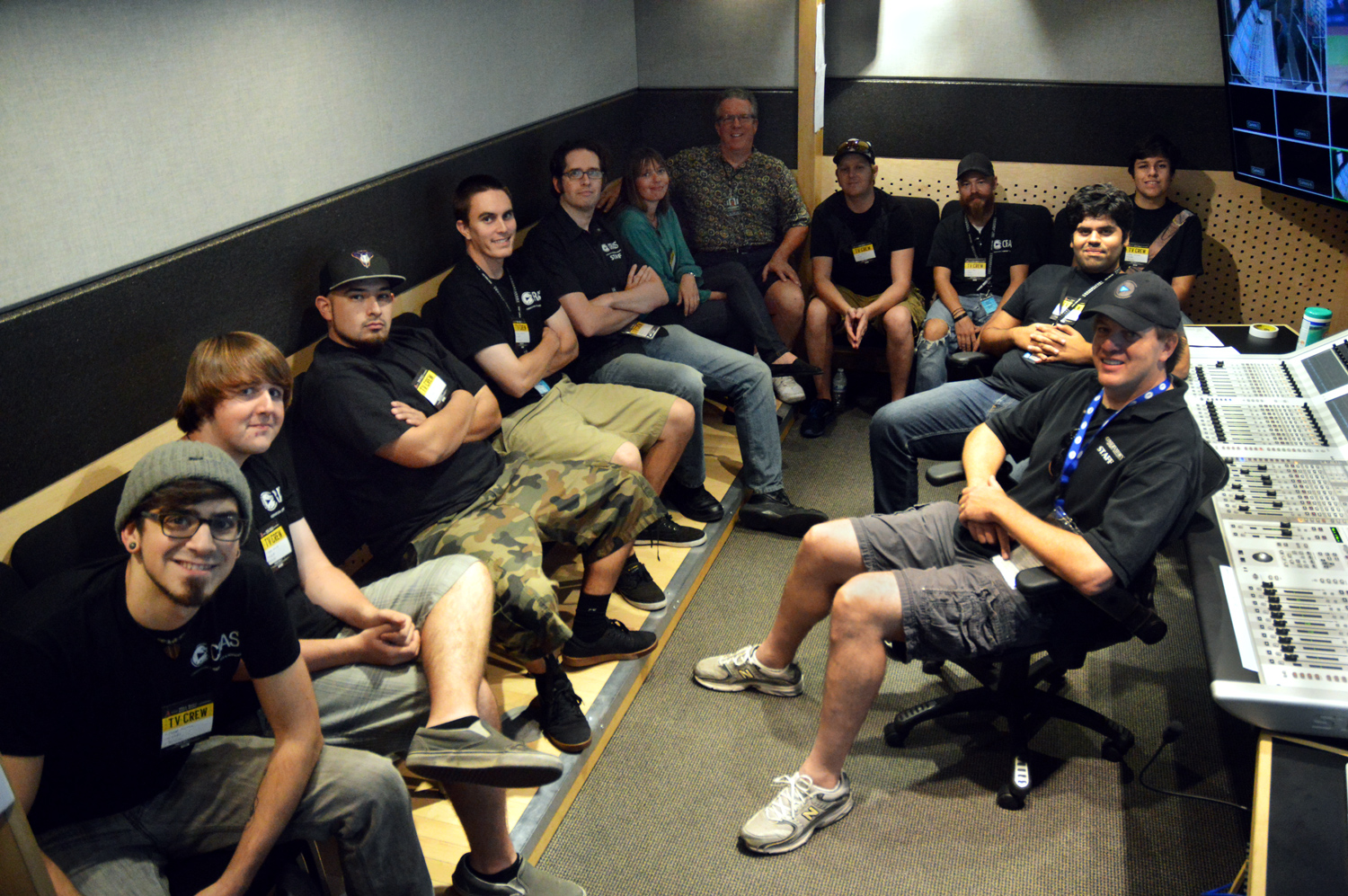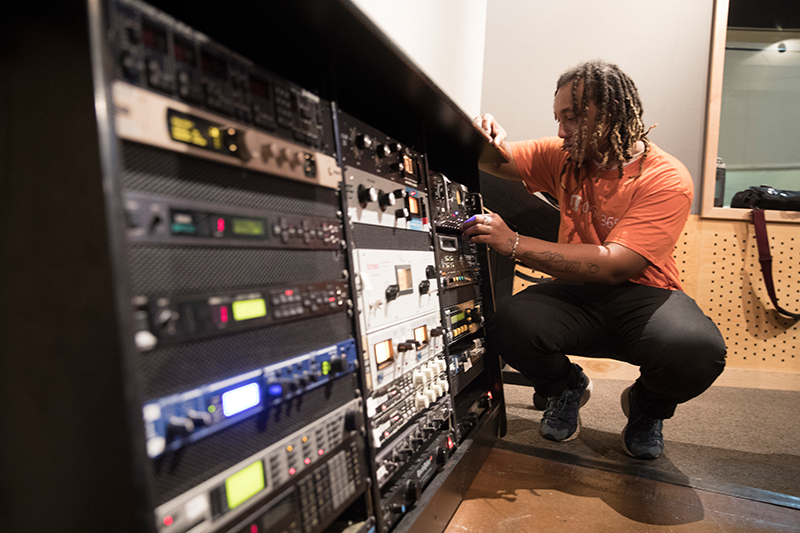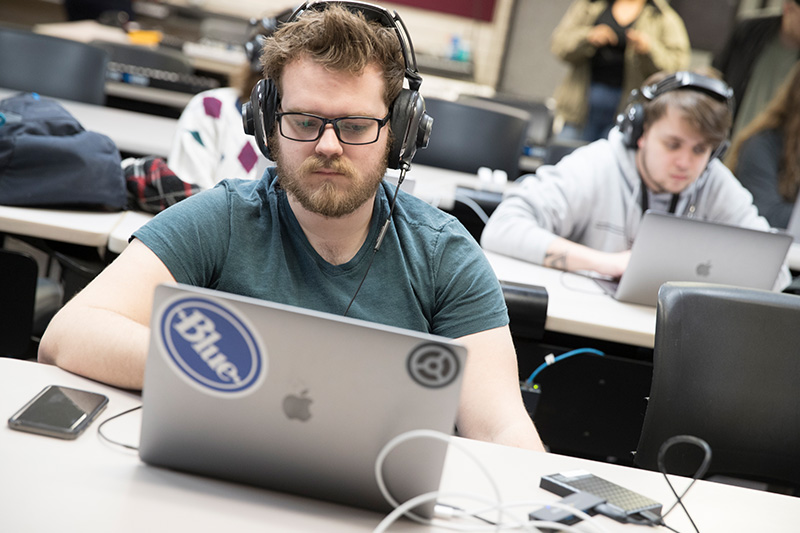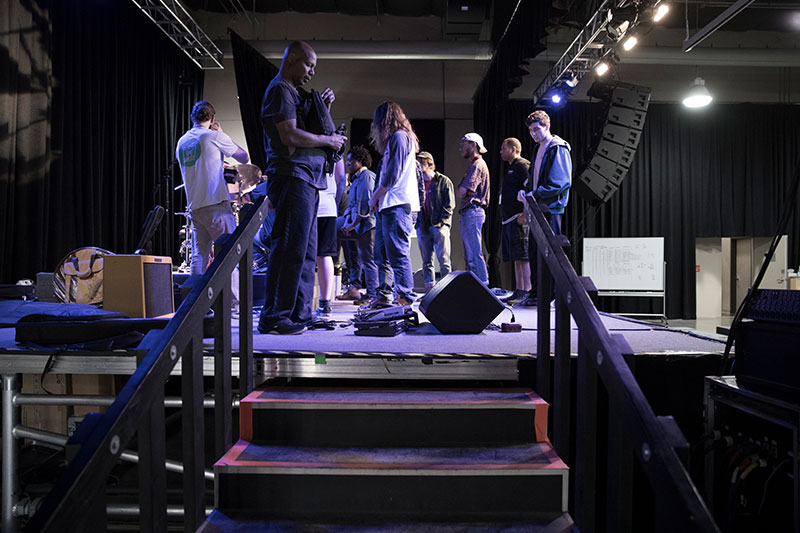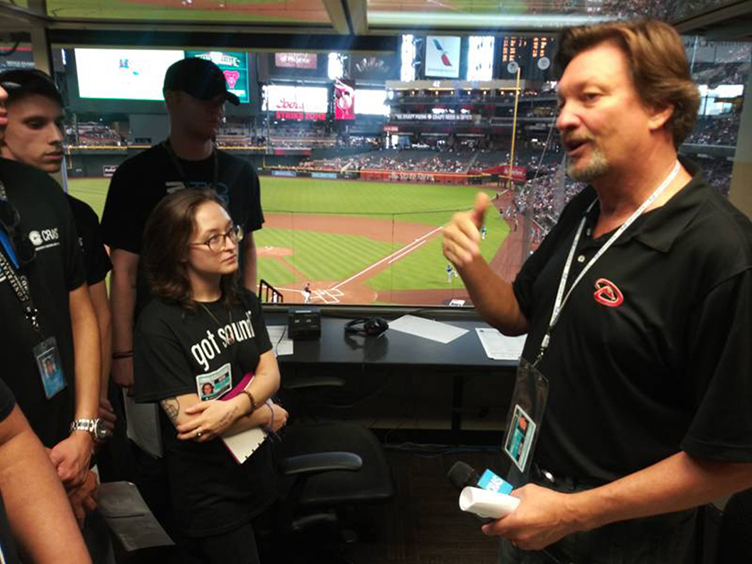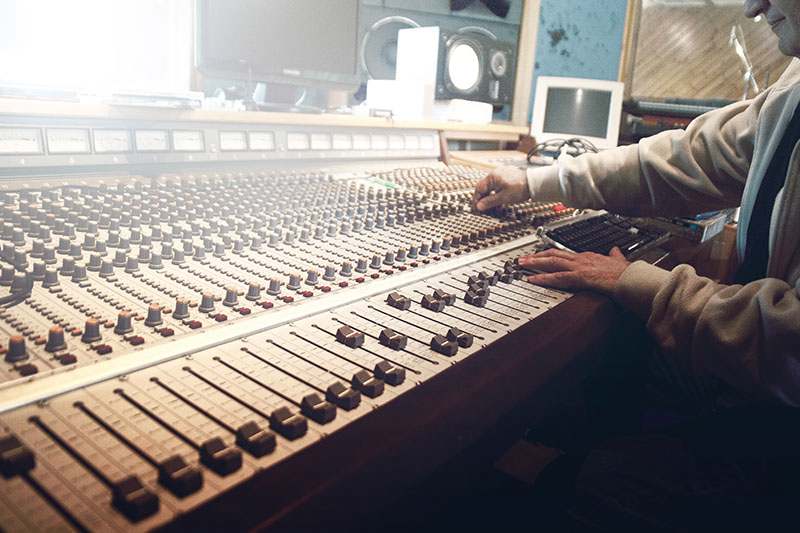
In addition to regular classes, the Conservatory hosts extra-curricular technical DIY events where students build mic preamps, mod microphones and in this case construct live sound instructor Keith Morris’ Magic Box for the AES student chapter. The Magic Box is a passive dynamic processor that delivers a “warmer” sound by emulating tube circuitry and it also boosts the gain of the signal by 6dB. The students that participated in the build were responsible for soldering the connections and following specific instructions delivered by Keith who also covered practical applications of the device for live sound use as well as use in the studio. All units were tested in the Live Sound room after the boxes were built.
Monthly Archives: April 2012
CRAS Digital Lab: Moog Slim Phatty

Slim Phatty is a true analog synthesizer. It doesn’t have built in effects, it only has a mono output and you can’t play more than one voice at a time (monophonic) but that note you hear sounds amazing and totally PHAT! Check out this demo video showing what the Slim Phatty can do. The CRAS Digital lab is open to all students during project hours at both locations.
Buford Jones Visits the CRAS

pictured l to r: Kirt Hamm (CRAS Administrator), Keith Morris (CRAS Live Sound Instructor), Jason McCarrick (Meyer Sound), Buford Jones (Meyer Sound), Peter Bish (CRAS Live Sound Instructor)
Two representatives from Meyer Sound’s educational division, including longtime FOH mixer and recording engineer Buford Jones recently visited the CRAS. Buford’s credits include mixing for Eric Clapton, Lynyrd Skynyrd, Stevie Wonder, Three Dog Night, Prince, Jackson Browne, David Bowie, Faith Hill, Pink Floyd, and The Kinks to name a few. Also on-hand from Meyer Sound was Education Program Coordinator Jason McCarrick.
“It was great to have Buford and Jason visit the school.” says CRAS Administrator Kirt Hamm. “Buford and Meyer Sound are in high regard around here, not to mention in the rest of the audio industry.”
Buford was in Arizona offering his two day Mixing Workshop which has taken him around the world. The workshop, sponsored by Meyer Sound offers participants a first-hand look at Buford’s career and mixing techniques.
Comparing Overhead Drum Miking Techniques

You have two microphones and two hours. How many ways can you mike a drum kit? READ MORE
Creating a Realistic Kick From Samples
Drum samples can sound freeze dried and boring. However, you can create organic sounds as if they were recorded from a live performance or a naturally occurring sound phenomena using Battery. READ MORE
CRAS Digital Lab: Akai MPC2000XL

The Akai MPC series is synonymous with hip-hop and R&B production since the first MPC60 me out in 1988. While there are more recent versions in the MPC line, the 2000 series is a mainstay to many beat makers. If loading samples off of floppy disks isn’t our bag, you’ll you can still find the 16 velocity sensitive drum pads perfect for finger drumming software instruments running on your laptop. The CRAS Digital lab is open to all students during project hours at both locations.
CRAS Grads Power PRG
While at the NAB show this week, CRAS staffers dropped in on Adam Parrish at PRG‘s huge Las Vegas facility. After graduating from the CRAS seven years ago, Adam started as an intern in the audio department and is now the operations manager for the entire facility. Adam oversees 80 employees (10 are CRAS grads) who prep and maintain the equipment used in major productions ranging from large corporate events to major music concert tours. SEE MORE PHOTOS
Mixing and Mastering for Vinyl
While there are “rules” associated with recording in the digital domain (keep sample rate and bit depth high, do not go over 0 dBFS, etc), audio engineers don’t necessarily worry about the effects of printing this digital data onto a compact disc. Vinyl records are a much different animal, however. READ MORE
How to Archive Multitrack DAW Recordings
Properly archiving your work can assure future revenue (aka $$$ in your pocket.) Multitrack DAW recordings are dependent on a complex system of primary and secondary technologies. Each of these technologies represents an obstacle to the long-term viability of a multitrack archive. READ MORE
How To Use Frequency Dependent Side-Chaining
Frequency dependent side-chaining is a process which gives the user the ability to zero in on a range of frequencies for processing. De-essing is a common application where you apply compression to a very specific band of frequencies that appear harsh whenever the voice talent is pronouncing a “t” or “s.” READ MORE.